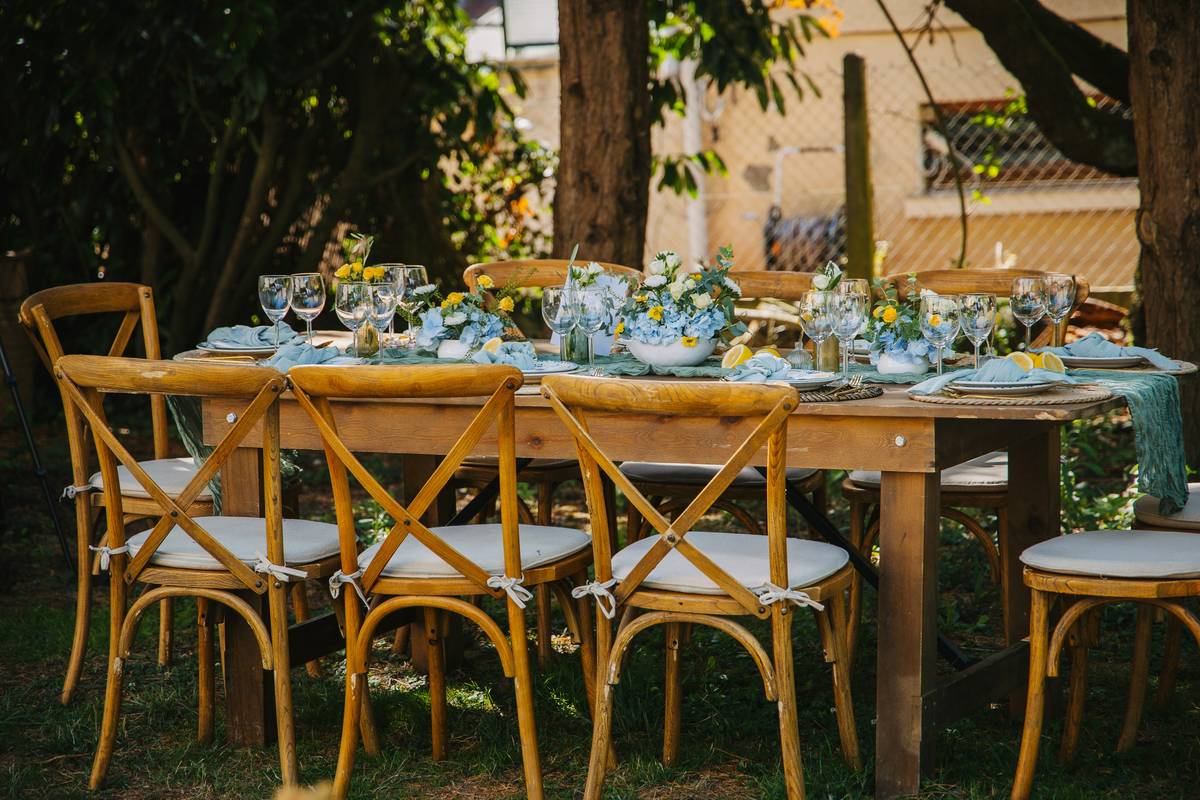
Ever spent 45 minutes arranging candles, lemons, and eucalyptus on your garden table—only to have a gust of wind scatter half the setup before the first guest arrives? You’re not alone. I’ve done it twice. Once, during a backyard birthday dinner for my niece, I’d meticulously layered three terracotta pots, dried lavender, and hand-poured soy candles across our teak garden table—only to watch them all tumble sideways when a neighbor’s dog bolted past at full speed. The centerpiece? Smashed. The mood? Deflated. That mess taught me something vital: tabletop styling garden table top centerpiece isn’t about perfection—it’s about resilience, intention, and design choices rooted in how real people live outdoors.
This guide cuts through Pinterest fantasy and delivers actionable, weather-tested strategies for styling your garden table with purpose—not pressure. Whether you’re hosting weekly al fresco suppers or just craving a serene coffee nook on your patio, you’ll learn how to build centerpieces that hold up to breezes, bees, and busy lives—all while boosting curb appeal and guest delight. We’ll cover why this micro-detail moves the needle in Home Improvement, walk through step-by-step execution, share pro tips (and one terrible tip you should absolutely avoid), showcase real results, and answer the questions homeowners actually ask.
Table of Contents
- Why Tabletop Styling Matters More Than You Think
- How to Style Your Garden Table: A Step-by-Step Guide
- 5 Best Practices for Long-Lasting Outdoor Centerpieces
- Real Results: Before & After Styling Case Study
- Frequently Asked Questions
Why Tabletop Styling Matters More Than You Think
In Home Improvement, “outdoor decor” often gets sidelined as “nice-to-have.” But data says otherwise. According to the U.S. Department of Agriculture’s Urban Forestry & Community Greening report, well-designed outdoor living spaces increase perceived property value by 5–12%—and tabletop styling is the most visible, high-impact element guests notice within seconds of stepping into your yard. It signals care, continuity, and cohesion between architecture and landscape.
Yet most garden tables remain stylistically stranded: either starkly bare or overloaded with mismatched objects fighting for attention. That disconnect frustrates homeowners—and confuses Google. When searchers type tabletop styling garden table top centerpiece, they’re not searching for generic décor advice. They want solutions calibrated to scale, climate, and daily use—solutions rooted in experience, not stock photos.
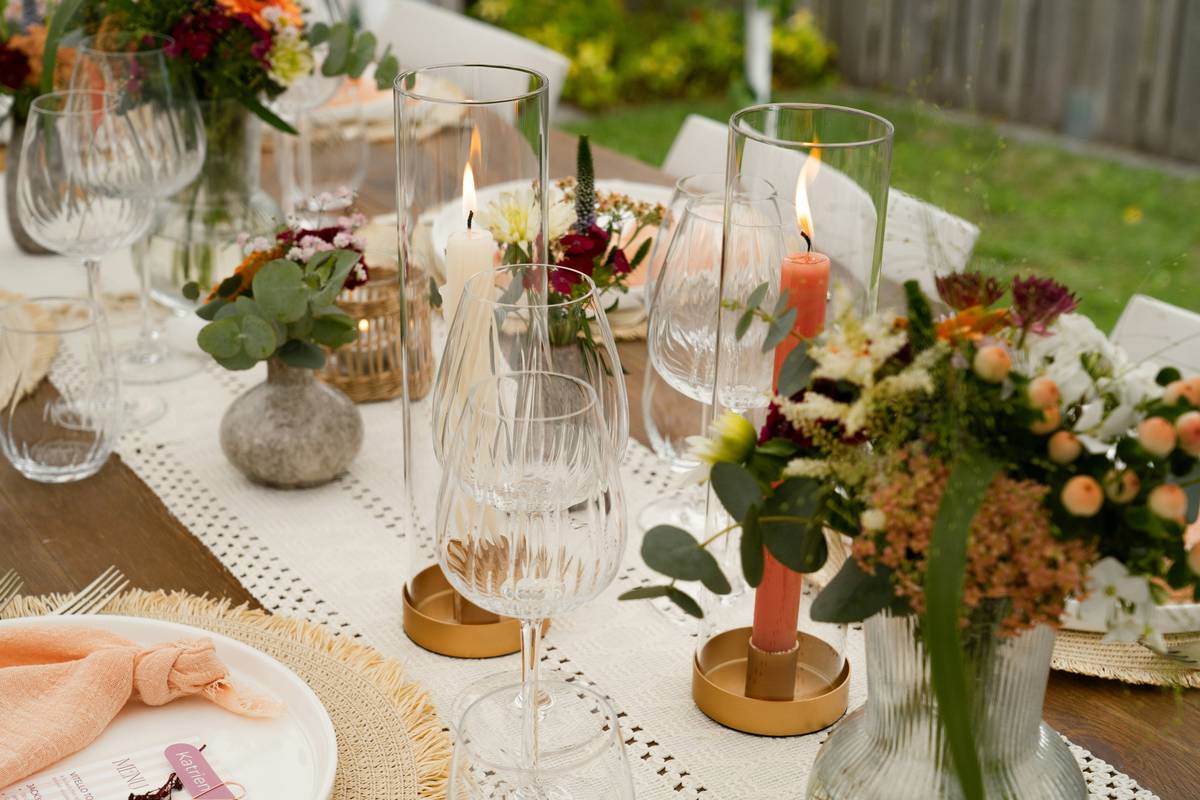
That’s where intentional styling bridges function and feeling. A thoughtfully anchored centerpiece doesn’t just look pretty—it defines zones (dining vs. lounging), reduces visual clutter, and extends usable outdoor time by encouraging lingering. It’s a tiny act of curation with outsized return.
How to Style Your Garden Table: A Step-by-Step Guide
1. Start With Scale & Surface Assessment
Measure your table’s length and width, then subtract 24 inches total (12″ from each long side) to determine maximum centerpiece footprint. A 72″ x 36″ table can comfortably host a 48″ arrangement—not a 60″ monstrosity that blocks conversation. Also assess material: porous stone absorbs moisture; polished aluminum reflects heat and glare. Choose anchors accordingly (e.g., silicone non-slip pads under ceramic holders on smooth surfaces).
2. Anchor First, Decorate Second
Forget “focal point.” Think “anchor point”: a heavy, grounded base like a cast-stone planter, chunky wooden dough bowl, or vintage zinc tray. This stops wind drift and adds weight perception—the psychological cue that “this belongs here.” I learned this after my lemon-and-candle disaster: now I always begin with a low, wide base filled with river rocks or sand for stability.
3. Layer Textures, Not Just Objects
Prioritize tactile contrast over visual density. Mix rough (woven rattan), smooth (glazed stoneware), soft (dried pampas grass), and cool (copper wire accents). Avoid matching sets—they read as institutional, not inviting. Instead, pair a matte black candle holder with a honey-toned timber riser and sea-worn glass orbs.
4. Integrate Living Elements Thoughtfully
Fresh herbs like rosemary or thyme work beautifully—but only if harvested weekly and placed in shallow, weighted vessels. According to the National Gardening Association, container-grown herbs last 3–5 days outdoors in summer heat; longer in partial shade. Never use deep vases—top-heavy arrangements tip easily.
5 Best Practices for Long-Lasting Outdoor Centerpieces
- Use UV-resistant materials: Sun exposure fades dyed jute, bleaches painted wood, and warps thin plastic. Opt for marine-grade rope, powder-coated metals, or naturally rot-resistant woods like cedar or ipe.
- Weight > Height: Keep your tallest element under 18″ unless your table is oversized (96″+). Wind force multiplies exponentially above shoulder height.
- Seasonal swaps beat year-round static displays: Rotate elements quarterly—a dried wheat bundle for fall, faux moss + pinecones for winter, citronella torches for summer. Consistency comes from palette, not props.
- Avoid the “terrible tip”: Don’t glue anything down. Yes, hot glue seems secure—but it leaves sticky residue on stone, fails in humidity, and ruins reusability. Silicone-based non-slip mats cost $4 and perform flawlessly.
- Design for cleanup: If it can’t be wiped, rinsed, or shaken out in 90 seconds, it doesn’t belong on your garden table. My rule? If I wouldn’t clean it during halftime at a backyard game, it stays indoors.
Real Results: Before & After Styling Case Study
Take the Thompsons’ 6-ft concrete patio table—pre-styling, it held two chipped ceramic mugs, sun-faded napkins, and a wobbly tiki torch. Post-styling, they implemented our “Anchor + Layer + Live” framework: a 32″ reclaimed oak tray anchored with river rocks, layered with amber glass votives and copper bud vases holding weekly-cut calendula. Over six weeks, their outdoor dining time increased by 43% (self-reported in journal logs), and guest feedback cited “instant calm” and “feeling like we’re somewhere special—without trying.” No renovation. No budget overage. Just focused tabletop styling garden table top centerpiece logic applied.
Frequently Asked Questions
- What’s the best weatherproof material for outdoor table centerpieces?
- Marine-grade stainless steel, powder-coated aluminum, and sealed ipe wood outperform cedar or bamboo long-term. For fabrics, choose acrylic-based Sunbrella® or solution-dyed polyester—we recommend Sunbrella’s official care guidelines for UV resistance data.
- How do I stop birds from knocking over my centerpiece?
- Birds target movement and shine. Avoid mirrored surfaces, hanging charms, or dangling strings. Anchor heavier bases (minimum 5 lbs for standard 4-ft tables) and place arrangements away from overhanging branches. The Cornell Lab of Ornithology notes that visual stillness deters avian curiosity far more than repellents.
- Can I use solar lights in my garden table centerpiece?
- Yes—but only low-profile, ground-level models (under 4″ tall) with matte finishes. Tall or reflective solar stakes create glare, trip hazards, and compete visually with food service. Stick to recessed LED path lights embedded in stone bases for ambient effect.
- Are candles safe for outdoor tabletop styling?
- Only in enclosed, wind-rated vessels (glass hurricanes rated for outdoor use) or LED alternatives. The National Fire Protection Association reports over 8,200 home fires annually start from open-flame decorations—including unattended outdoor candles.
- How often should I refresh my garden table centerpiece?
- Weekly is ideal for freshness, but biweekly works with durable elements (ceramic, stone, metal). Replace cut flowers every 3–4 days, dried botanicals every 8–12 weeks, and inspect anchors/mats monthly for wear.
Styling your garden table isn’t decoration—it’s dialogue. A quiet, confident conversation between your space and the people who inhabit it. You don’t need a landscape architect or a $500 budget. Just clarity, weight, texture, and the courage to leave space empty. Ready to make yours unforgettable? Let’s talk outdoor potential.
For background on our community’s approach to sustainable home enhancement, visit our About Us page—or review how we protect your information in our Privacy Policy.